Introduction to Mobile Optimization
Mobile devices like cell phones and tablets are quickly becoming the most used way people get online. For nearly a decade now, over 50% of global website traffic comes from mobile devices (Statista, 2023). Because of this, businesses must ensure their websites are mobile-friendly. Mobile optimization is essential not just for accommodating mobile users but also a key factor in SEO, as search engines like Google prioritize mobile-friendly sites in their rankings.
Mobile-optimized sites tend to have higher conversion rates as well. For instance, 67% of users are more likely to buy from a mobile-friendly company (WebFX, 2023). This is particularly critical for e-commerce websites where mobile shopping is becoming the norm. To keep your business relevant and your customers engaged, these detailed tips can help to get your site optimized for mobile.
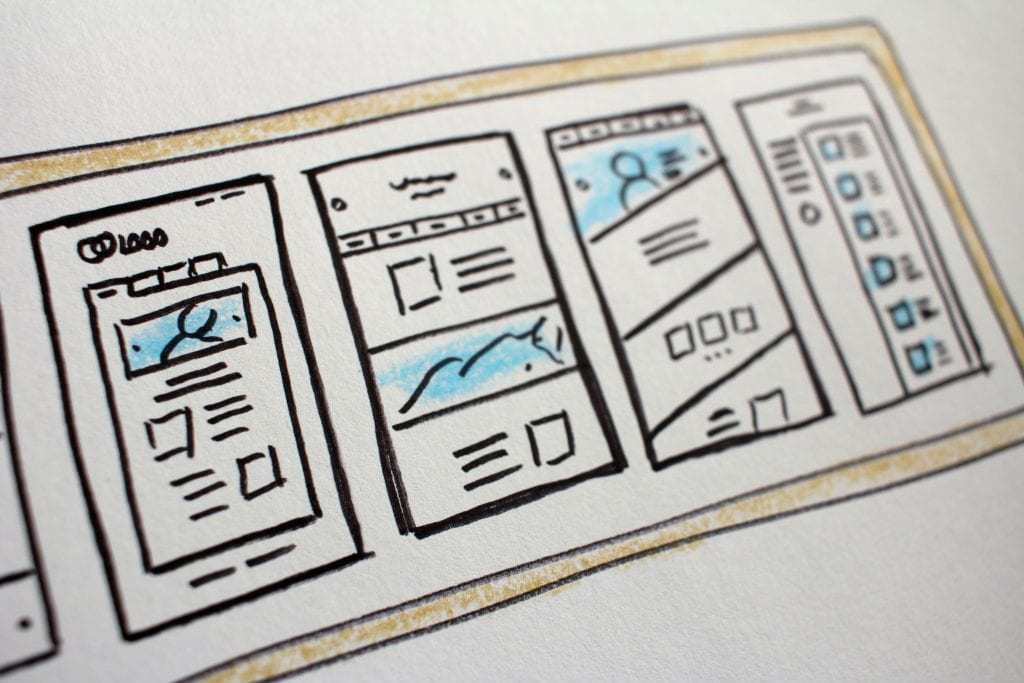
Key Components of Mobile Optimization
- Responsive Design: A responsive website automatically adjusts to fit the screen size and orientation of any device. Utilize CSS media queries with numerous breakpoints to achieve fluid grid layouts and flexible images, ensuring a seamless experience across all devices.
- Fast Loading Speeds: Mobile users expect smooth and quick websites. It’s important to optimize images with lazy-loading techniques, leverage browser caching, and minimize CSS and JS files to accelerate loading times, enhancing user satisfaction and retention.
- Simplified Navigation: Keep menus simple and easy to navigate. Given the smaller screens on mobile devices, it’s easy to overwhelm users with too many options. Design menus that are easy to navigate, featuring a prominent menu button and straightforward options that enhance user flow without confusion.
- Touchscreen Readiness: Make sure all buttons, links, and calls to action are touch-friendly. Meaning, that they are appropriately sized and spaced to prevent errors in interaction (read: fat finger errors).
- Legible Text Without Zooming: Make sure all font sizes and styles are readable on small screens without zooming in on them. Also, make sure you have good contrast between text and background to enhance readability.

Common Mobile Optimization Mistakes to Avoid
- Not Testing on Actual Devices: It’s easy to use browser simulations and other emulators to test websites on, but testing your website on actual devices can provide insights that are often missed in simulation. If you don’t have access to many different devices then it’s a good idea to get some friends or colleagues to help out who do.
- Overloading with Content: Another common mistake is having too much content visible on mobile interfaces. A better alternative is to prioritize content that’s essential and providing a clean, uncluttered mobile experience.
- Neglecting Local SEO: Mobile users frequently search for local information. Not including localized SEO can result in missed opportunities for local traffic and engagement.

How to Measure Mobile Optimization Success
Measure your mobile optimization effectiveness by tracking metrics such as mobile traffic, bounce rates, and conversion rates through tools like Google Analytics. Analyze mobile user interactions to fine-tune your approach, identifying successful elements and areas needing improvement.
Closing Thoughts
- Mobile First Design: It’s good practice now to start new website projects from a mobile first design then work up to larger devices until finally getting to the largest desktop design, usually 1440px. This approach makes you focus on building the websites esthetic around the mobile theme and keeps things simple and streamlined.
As mobile usage continues to dominate, ensuring your website is fully optimized for mobile is not just beneficial—it’s imperative. Embrace these practices to make your site accessible, engaging, and effective at converting mobile traffic into loyal customers.
If you’re ready to improve your mobile presence contact us today to ensure your site is fully optimized for success in the mobile-first world.